3-Wheel vs 2-Wheel Motorcycle: What Riders Should Know Before Switching

Motorcycling has always been about freedom, control, and connection to the road. For many riders, that feeling does not disappear with three wheels. It evolves into a different riding experience.

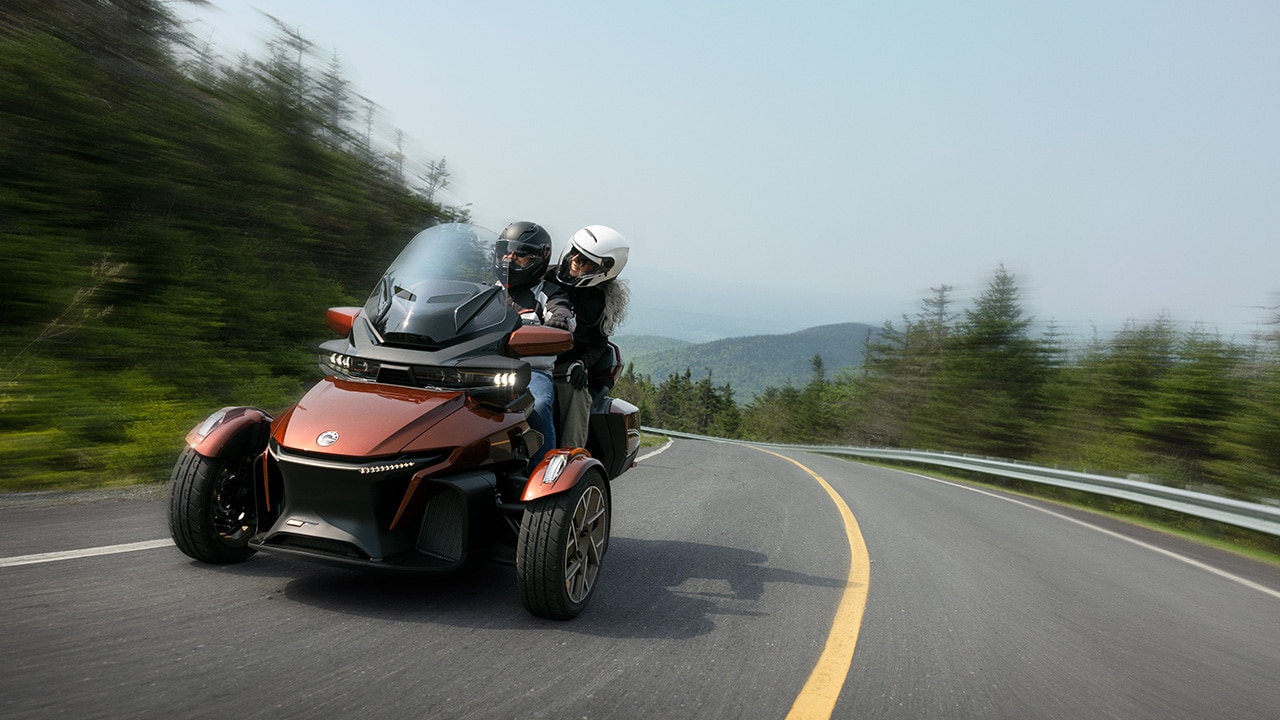
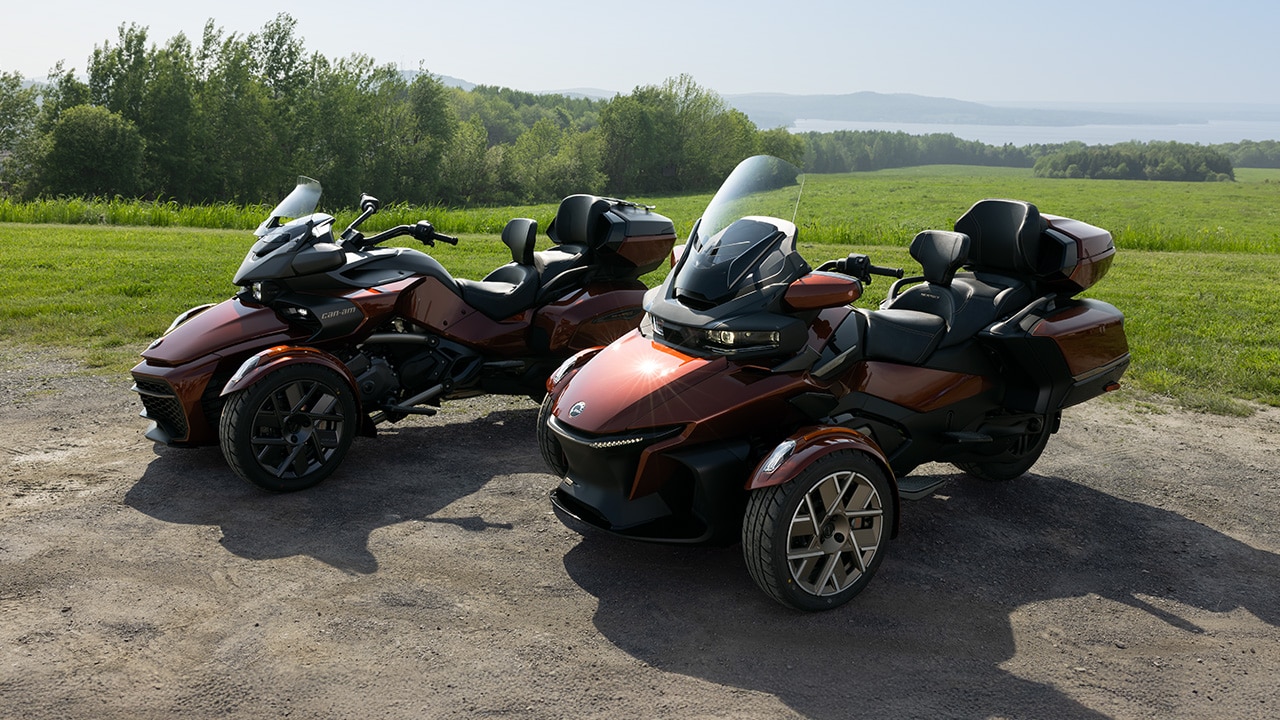
A Can-Am 3-wheel motorcycle, sometimes called a reverse trike, keeps the open-air experience that motorcycle riders know. It also introduces a different balance, handling, and braking feel.

This guide explains what stays familiar, what feels different, and what to expect during the transition.
Similarities: What Feels Familiar When Switching to a 3-Wheel Motorcycle

A third wheel changes the stance, not the fundamentals. Many core elements of riding carry over for riders coming from two wheels.

Open-Air Riding


Where it matters most, the experience stays true to what riders know.

A three-wheel motorcycle keeps the open-air exposure that defines much of motorcycling. You feel the wind, hear the road, and stay connected to what is happening around you. That sensory engagement preserves the feeling of freedom riders seek.

Different platform. Same open-road experience.

Recognizable Ergonomics and Controls


A 3-wheeler gives motorcycle riders several recognizable touchpoints. You use handlebars, sit in an open riding position, and control the vehicle from a rider-focused setup.

Depending on the model, the posture may feel closer to cruiser, touring, or adventure riding. Some configurations use foot pegs, while others use floorboards. Passenger options also vary by model.

Together, these elements can help the first ride feel more natural, especially for riders moving from two wheels to three.

Similar Riding Gear

Motorcycle riders will recognize much of the gear used on a 3-wheeler. Common equipment includes:

  • Helmet
  • Jacket
  • Gloves
  • Boots

Protective clothing and gear still matter. Open-air riding brings exposure to weather, debris, and changing road conditions.

Shared Mechanical Foundations

Can-Am 3-wheel vehicles share some mechanical concepts with traditional motorcycles. Depending on the model, riders may recognize gas engines, ABS (Anti-lock Braking Systems), and similar ways of transferring power, such as belt or shaft drive.

Engine configuration and drive system vary by model, but the underlying concepts will feel intuitive to many experienced riders.

Key Differences: What Changes With Three Wheels

A third wheel changes how the vehicle balances, steers, brakes, and responds to the road. For motorcycle riders, the overall feel remains open and connected, but the riding dynamics are different.

Y-Shaped Design


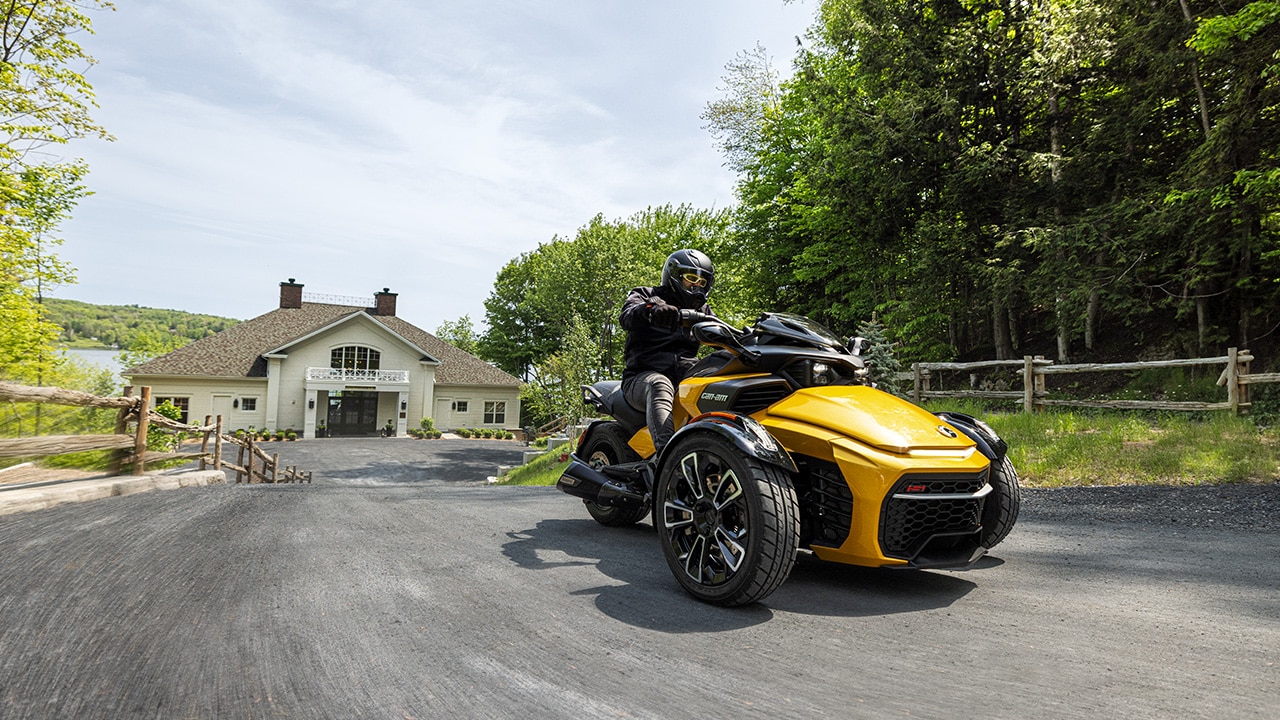
The Y-shaped configuration puts two wheels in front and one in the rear. This architecture sits at the core of every Can-Am three-wheeler.

This layout matters because it changes how braking, balance, and road contact work. Two front wheels provide better braking distribution, while more contact with the road means shorter, more controlled stops.

The result combines motorcycle sensations with the added confidence of a three-wheel platform.

Stability Across Speeds and Road Conditions


Stability is one of the most noticeable differences when comparing 3-wheel vs motorcycle platforms.

Can-Am three-wheel vehicles offer:

  • Inherent stability at stops and low speeds: No need to put a foot down or fight to keep the vehicle upright.
  • Reduced sensitivity to uneven pavement and road camber: The platform handles surface changes more predictably.
  • Strong grip and confident handling at highway speeds: Whether cruising or cornering, the ride stays planted.

For riders dealing with physical changes, returning after a break, or wanting more confidence at intersections, this stability can make everyday riding feel more manageable.

Control Systems That Support Handling

The Y-shaped architecture plays an important role in how a Can-Am 3-wheel motorcycle handles turns. Its layout helps deliver balanced weight distribution and improved grip, contributing to a stable and predictable feel in curves.

Electronic systems work with the chassis to support that handling. The VSS (Vehicle Stability System) and Traction Control help manage key vehicle dynamics as road conditions change.

These systems help optimize cornering and support rider confidence. They add support where it matters, without replacing rider skill, awareness, or control.

A Natural Evolution for Motorcycle Riders


For many riders, switching to a 3-wheel motorcycle is not about stepping away from motorcycling. It is about carrying the experience forward in a new format.

The ride still keeps the heart of motorcycling alive: freedom, exploration, and the feeling of the open road. For riders moving from two wheels to three, that familiar spirit helps make the transition feel natural.

A Can-Am 3-wheeler represents an evolution in riding, not a replacement for past experiences. It preserves what riders value most while opening the door to new possibilities on the road ahead.

Ready to see what three wheels can offer? Explore Can-Am 3-wheel vehicles and find the model that fits your riding style.

Start your Can-Am 3-Wheel Journey