Off-Road Vehicle Licensing: Know Before You Ride in the United States

Exploring Canada's diverse landscapes on an ATV or SxS is an exciting experience. However, understanding the rules and regulations governing off-road vehicle (ORV) use is crucial for any adventure. Licensing and other requirements for riding ATVs and Side-by-Sides vary significantly by province and territory. This guide provides a general overview, but it is absolutely essential to verify local regulations before riding.

Your province may require the ORV driver to complete a mandatory safety course.

Licensing Requirements in Canada

When it comes to ATVs and SxSs in Canada, licensing and other regulations vary significantly by province and territory. Here's a general overview:

Age Restrictions

Most provinces and territories have age restrictions for operating ATVs and SxSs. These restrictions vary by jurisdiction and may depend on factors such as the size of the vehicle's engine. In many jurisdictions, riders under a certain age are required to complete a certified ATV safety course. It is essential to check the specific regulations in your province or territory for accurate information on age limits. 

BRP recommands a minium age of 16 for adult size ATVs and SSVs.

Licensing

• Driver’s License Requirements: Most provinces and territories require riders of ATVs or SSVs to hold a valid driver’s license. However, you sometimes may not need one if you are operating on private land, but it is always best to confirm with the landowner and check any local ordinances that may apply.

• ORV Registration and Permits: Most provinces and territories require ORVs to be registered and display a valid permit for use on public land or designated trails. However, the specific requirements and types of permits may vary.


• Insurance: Liability insurance is often required when riding on public land or trails in many provinces and territories. However, the specific requirements and minimum coverage amounts can vary.

Safety Gear

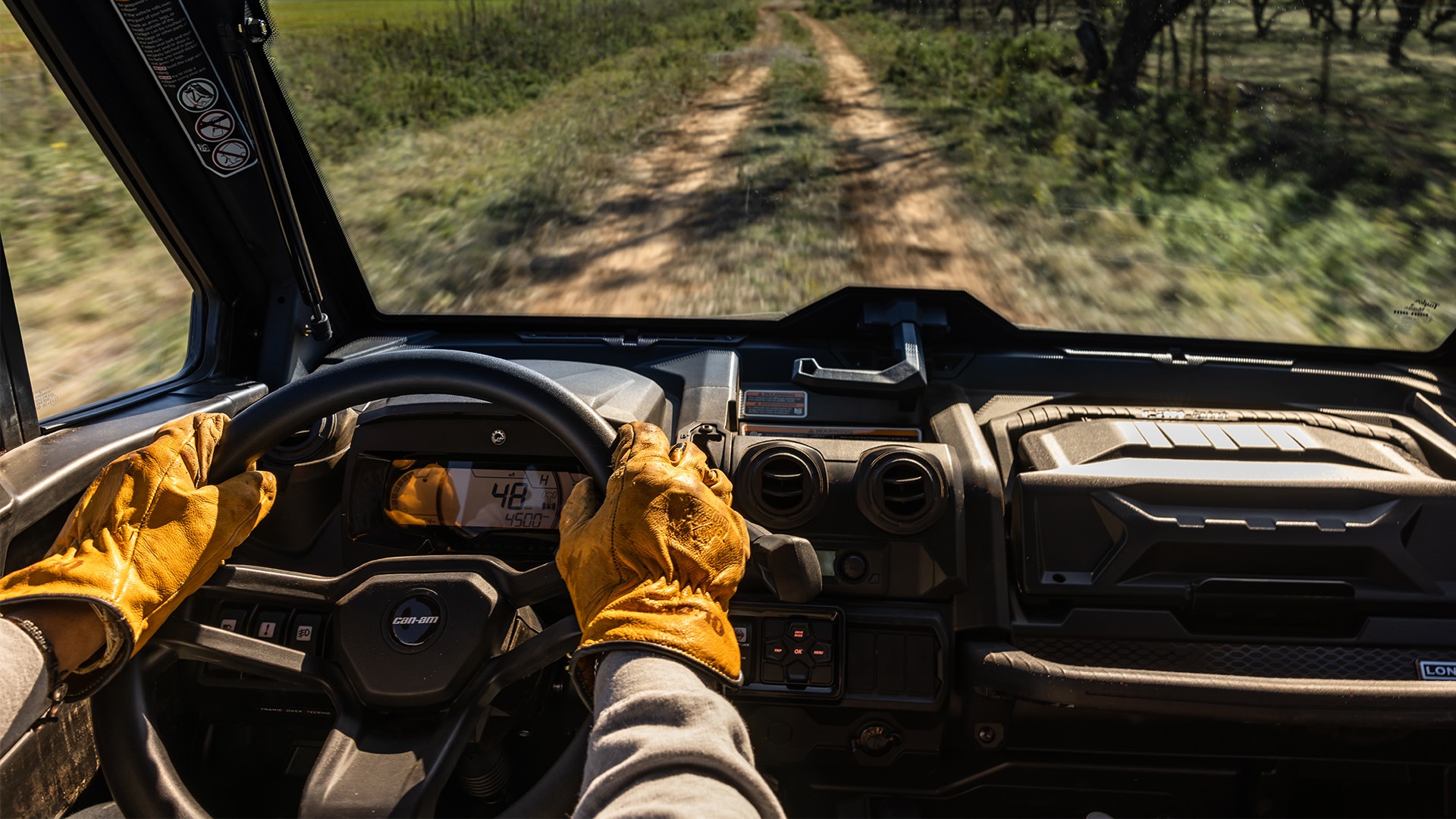
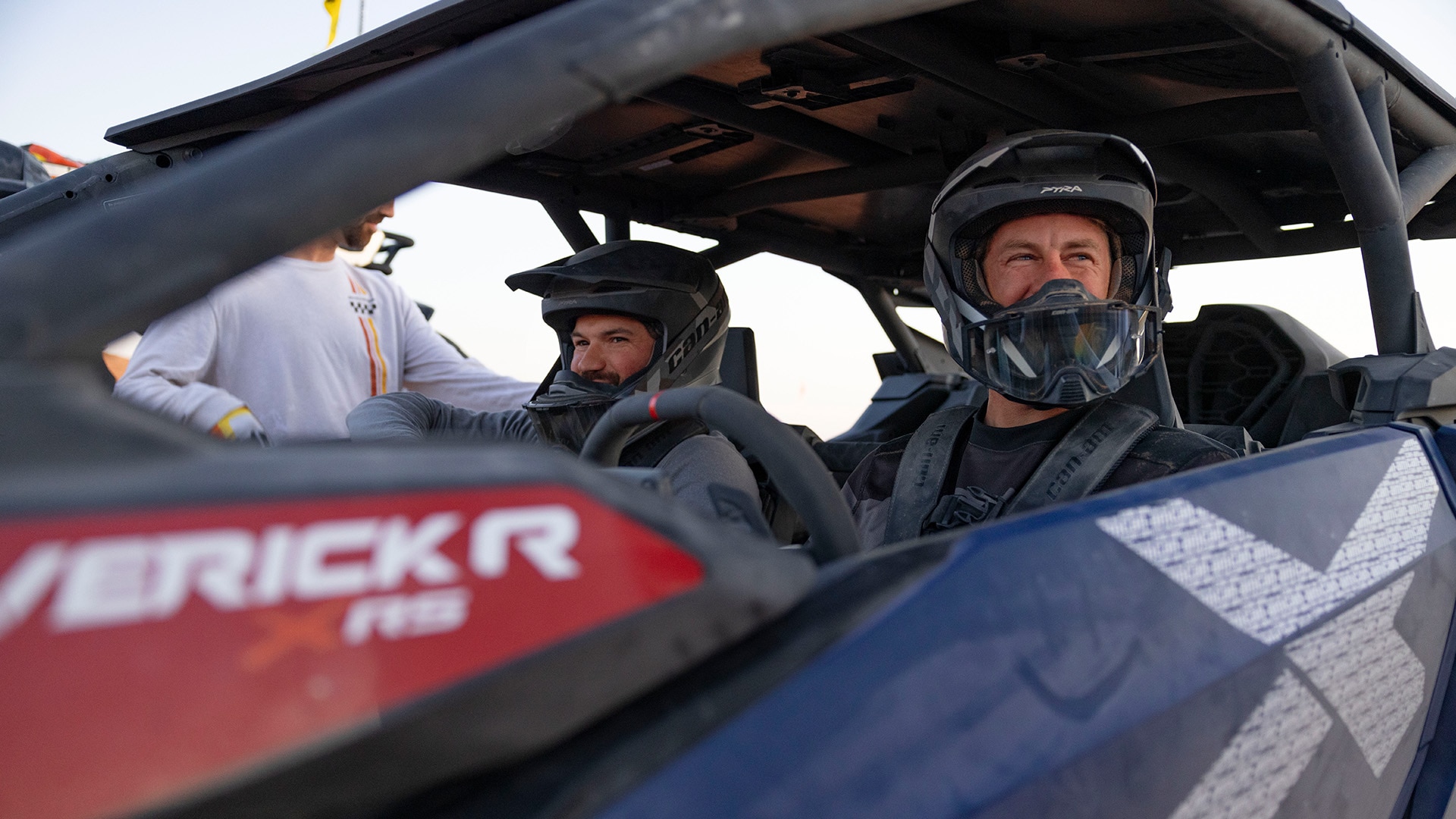
Helmets are mandatory in all provinces and territories for ATV and Side-by-Side riders. The helmet must be DOT, ECE or SNELL approved. Additional safety equipment, including gloves, boots, and goggles, is highly recommended.

How to find the best resource for a specific province/territory?

The most effective way to find the right information is to use a search engine with specific keywords:


• "[Province/Territory name] ATV laws"

• "[Province/Territory name] ORV regulations"

• "[Province/Territory name] ATV registration"

• "[Province/Territory name] off-road vehicle permits"


This will usually lead you to the official government website or a relevant organization that can provide the most accurate and up-to-date information. Here are some examples of where to start:


• Provincial/Territorial Ministries of Transportation (or equivalent): These are often the primary source.

• Provincial/Territorial Insurance Corporations (or equivalent): In some provinces, these corporations handle ORV registration and insurance.

• Provincial/Territorial Parks and Recreation Departments (or equivalent): These agencies manage public lands and trails.

• Provincial/Territorial ATV/ORV Organizations: These groups provide rider information and often work with the government.

• Ressources from the RCMP or the Sûreté du Québec
 

Additional Tips for Riding Legally and Responsibly


• Know the Rules: Before you ride, it's absolutely crucial to familiarize yourself with the specific ATV and SxS regulations in your province or territory.

• Consider Safety Training: While not always mandatory, enrolling in an ATV or SxS safety course is highly recommended. These courses provide valuable instruction on proper riding techniques and responsible off-road practices.

• Be Prepared with Documentation: Always carry your registration, permits, and proof of insurance with you.

• Respect Designated Areas: Stick to marked trails and avoid riding on unmarked paths or private property without explicit permission. Doing so not only prevents accidents but also helps you avoid potential fines or legal repercussions.


Can-Am Commitment

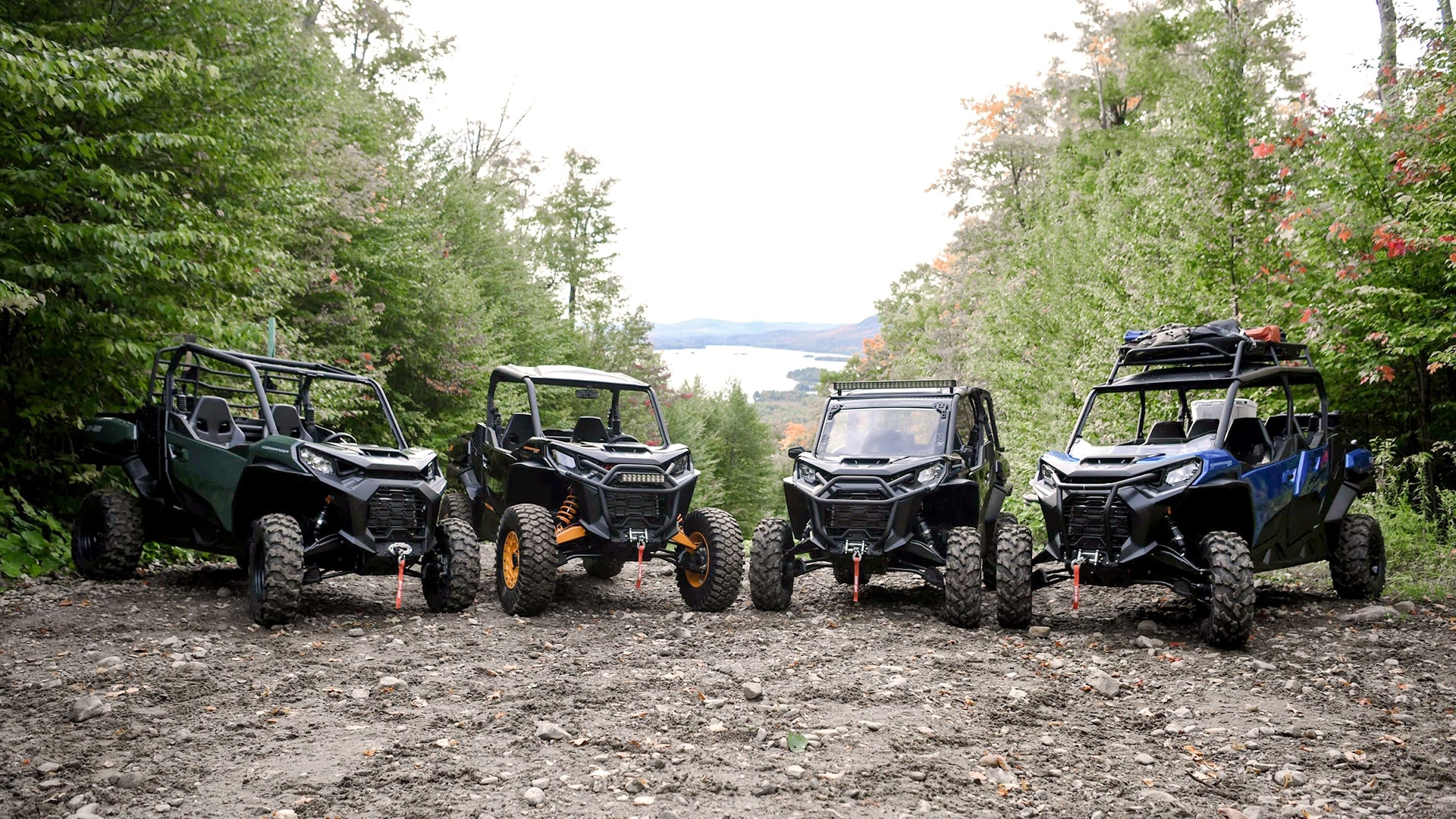
Can-Am recognizes that responsible riding is paramount to enjoying the off-road experience. We offer a diverse lineup of ATVs suitable for riders of varying skill levels and ages, with ATV models designed specifically for younger riders under appropriate adult supervision. We encourage all riders, whether operating an ATV or a Side-by-Side vehicle, to prioritize safety and adhere to responsible off-roading practices.

Final Thoughts

Because ATV and SxS regulations are determined at the provincial and territorial level in Canada, it's crucial for riders to understand the specific laws in their riding area. These regulations are designed to promote safety and responsible off-roading practices.

Before heading out, be sure to research the relevant provincial or territorial legislation, consider taking a safety course, use appropriate protective gear, and always show respect for the trails, the environment, and other riders.

Ride safe!

All Your Questions, Answered

View all questions
  • What is the driving etiquette on trails?

    What is the driving etiquette on trails?


    Learn More
  • What are the D.E.S.S. keys?

    What are the D.E.S.S. keys?


    Learn More
  • Where can I find the Operator's Guide?

    Where can I find the Operator's Guide?


    Learn More

Can't find what you're looking for?

If you still can't find what you're looking for, get in touch with your local dealer or reach out to us here!