1. Seal Your Cab
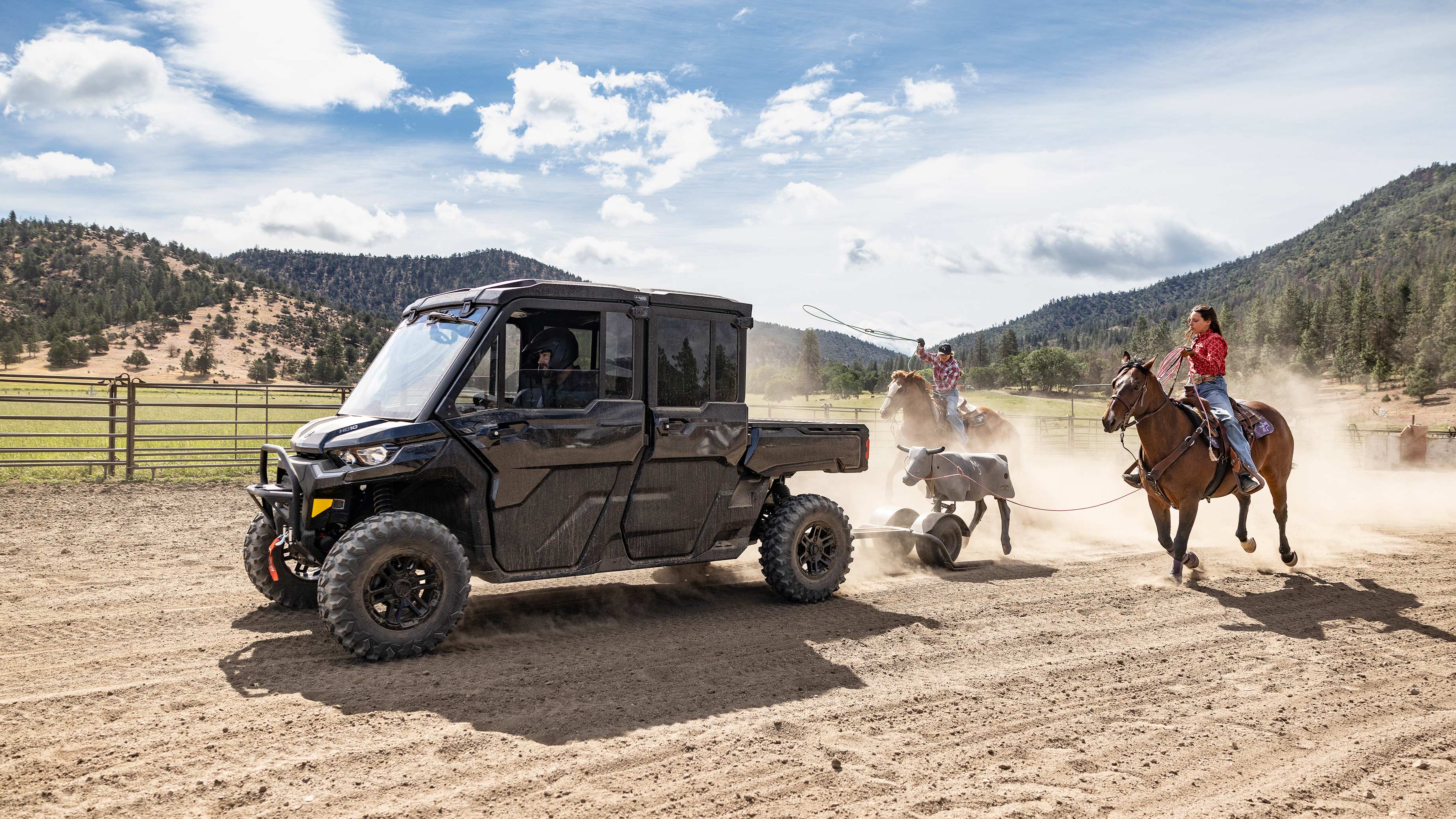
• Install a Can-Am Cab Seal Kit to block dust entry points around doors and panels.
• Add rubber door seals or foam gaskets for extra protection.
• If you have a half cab, make sure all panels fit snugly.
2. Choose the Right Windshield Setup
Your side-by-side windshield setup plays a key role in managing dust, airflow, and overall cab comfort.
• A full windshield protects from dust, wind, and sand but may increase cabin pressure.
• Add rear panels or a rear windshield to balance airflow and reduce the vacuum effect.
• A vented windshield can help to combat swirl by letting controlled airflow through the cab — just make sure you also have a way for that air to exit, like a rear panel or roof vent.
3. Maintain Airflow Balance
• Use a vented roof or side vents to create a clean airflow path through the cabin.
• Avoid blocking vents with gear or accessories.
• Keep your air intake clean and your air filter fresh to prevent engine strain.
4. Protect Yourself with Dust-Proof Gear
• Wear a side-by-side dust mask or neck gaiter to stay comfortable on long rides.
• Pair it with dust goggles or visors for clear visibility in sandy terrain.
• Lightweight vented helmets improve airflow without sacrificing safety.
5. Keep It Clean
• Wash your cab after every dusty ride using XPS Cleaning Products.
• Clean and re-oil your air filter to prevent dust from reaching your engine.
• Wipe down seats, vents, and instrument panels with XPS Interior Cleaner to protect surfaces.