Side-by-Side Dune Riding: Tips for Driving on the Sand with Confidence

To drive a side-by-side on a sand dune, manage the rapidly shifting terrain with smooth, controlled maneuvers. Essential practices include avoiding sharp or sudden moves and building up speed gradually to maintain momentum.

For many side-by-side riders, riding on the sand dunes offers a completely different experience than tackling wooded trails, rocky climbs or muddy terrain. Open landscapes and constantly changing surfaces create plenty of opportunities to put both your driving skills and your machine to the test.

But sand also requires a different approach. Because the surface shifts with wind, weather, traction and terrain can change quickly, even over short distances. Understanding how your vehicle responds in these conditions can help you make smoother decisions behind the wheel and avoid common mistakes.

Whether you’re planning your first sand dune riding trip or looking to improve your technique, a little preparation goes a long way. Here’s what to know before heading into the desert.

Master Momentum, Master the Sand

One of the biggest adjustments when sand-duning is learning that not every section of sand offers the same level of traction or support.

Areas with deep, loose sand require more momentum than firmer sections, while fine or churned-up sand may increase the chances of spinning tires or becoming stuck. Wet sand can sometimes provide additional traction, but it may also conceal uneven surfaces or sudden transitions.

Instead of focusing only on what’s directly ahead of the vehicle, scan farther down your route and continuously evaluate the terrain. Looking ahead gives you more time to adjust your speed, choose a better line and react smoothly as conditions change.

Control Your Inputs

Driving smoothly is one of the simplest ways to improve control on soft terrain.

Rather than making abrupt corrections, try to:

• Build speed progressively

• Maintain consistent momentum through soft sections

• Make gradual steering adjustments

• Brake smoothly whenever possible

Quick throttle changes, sharp steering inputs or sudden braking can reduce stability and make the vehicle more difficult to control on loose sand.


Choosing the Right Side-by-Side for Dunes

Vehicle choice plays an important role in overall confidence, especially if you regularly ride dunes or open desert terrain. When comparing models, consider:

• The amount of power you’re comfortable with

• Suspension performance for your preferred terrain

• Available technology features

• The types of dunes and desert environments you expect to ride in most often


Here’s a closer look at two machines designed specifically with sand dune capabilities right out of the box. 

Maverick X3: Turbocharged Rotax power with a lightweight chassis and long-travel suspension. That combination delivers responsive handling and the suspension travel needed to absorb uneven terrain at a wide range of speeds.

Maverick R: Latest performance platform with a turbocharged 240 hp Rotax engine, the industry’s most advanced dual clutch transmission, and a wide suspension setup engineered for demanding off-road conditions.

Optimize Your Tire Setup for Sand

Pick the Right Tires for the Job

Your tires are one of the few components that make constant contact with the terrain, making them especially important while riding on the sand dunes.

Many riders choose paddle or hybrid paddle tires because they’re designed to improve flotation and traction on soft sand while helping reduce the likelihood of digging into loose terrain. The best option depends on your vehicle, the terrain and the type of riding you enjoy.

Get Your Tire Pressure Right

Lower tire pressure may improve flotation by increasing the tire’s contact patch.

Before making adjustments:

• Follow the recommendations in your operator’s guide

• Adjust pressure gradually

• Consider the terrain and your vehicle’s requirements


Proper tire setup can improve traction and stability while helping your side-by-side perform more predictably in sandy conditions


How to prepare for the ride

Getting yourself and your vehicle ready is just as important as preparing your driving technique. 

Make Your Vehicle Easier to See

Visibility is one of the biggest safety considerations in dune environments, particularly when approaching hill crests or riding in areas with multiple vehicles. Safety flags, light whips and properly functioning lighting systems help other riders identify your position sooner, reducing the likelihood of unexpected encounters.

Wear Appropriate Protective Gear

Before every ride, wear equipment designed for off-road use, including:

• A DOT-approved helmet

• Goggles and gloves

• Long sleeves and long pants

• Ankle-high boots

Proper riding gear provides protection from dust, debris and other common trail hazards. 

Complete a Pre-Ride Inspection

A few minutes of inspection can help prevent problems later in the day. Check:

• Tire condition and pressure

• Fluid level suspension components

• Light fasteners

• Any signs of damage or excessive wear.

Regular maintenance becomes especially important in sandy environments, where fine particles can affect moving components over time.


Help Protect Riding Areas for the Future

Responsible riding helps preserve access to dune recreation areas while reducing impacts on the surrounding environment.

Stay Where Riding Is Permitted

Many dune systems include designated riding areas alongside protected habitats and seasonal closures. Before your trip: 

• Review local regulations

• Check whether permits are required

• Follow posted signs

• Respect temporary or seasonal closures

Avoid riding through vegetation whenever possible. Plants play an important role in stabilizing sand and reducing erosion.

Reduce Your Impact

Small decisions make a difference. Whenever possible: 

• Slow down around staging areas and other riders.

• Avoid unnecessary dust and excessive wheel spin.

• Keep noise to a minimum where appropriate.

• Pack out everything you bring, including broken parts and litter.

These habits help keep riding areas enjoyable for everyone.

Ride Prepared, Ride Confidently

Sand offers one of the most rewarding environments for side-by-side riding, but it also rewards preparation. Understanding how soft terrain affects your vehicle, maintaining smooth driving inputs, choosing an appropriate tire setup and performing routine vehicle checks can all contribute to a more confident riding experience.

Every great adventure starts before you even hit the sand. The more prepared you are before you leave the staging area, the more you can focus on what matters most: enjoying the ride and coming back ready for the next one.


FAQ

How Reliable Are Can-Am Side-by-Sides on the Sand?

Can-Am side-by-sides are engineered for demanding off-road environments, including sand dunes and desert terrain. Its performance SxS proved their worth in some of the most demanding off-road events, including Dakar, Vegas to Reno, and the Baja 1000.

How Can Riders Help Preserve Access to Off-Road Areas?

Many popular off-highway vehicle (OHV) destinations face growing environmental and land-use pressures. By respecting local regulations, riding within your abilities and minimizing your impact, you help protect access to these areas and preserve riding opportunities for future generations.


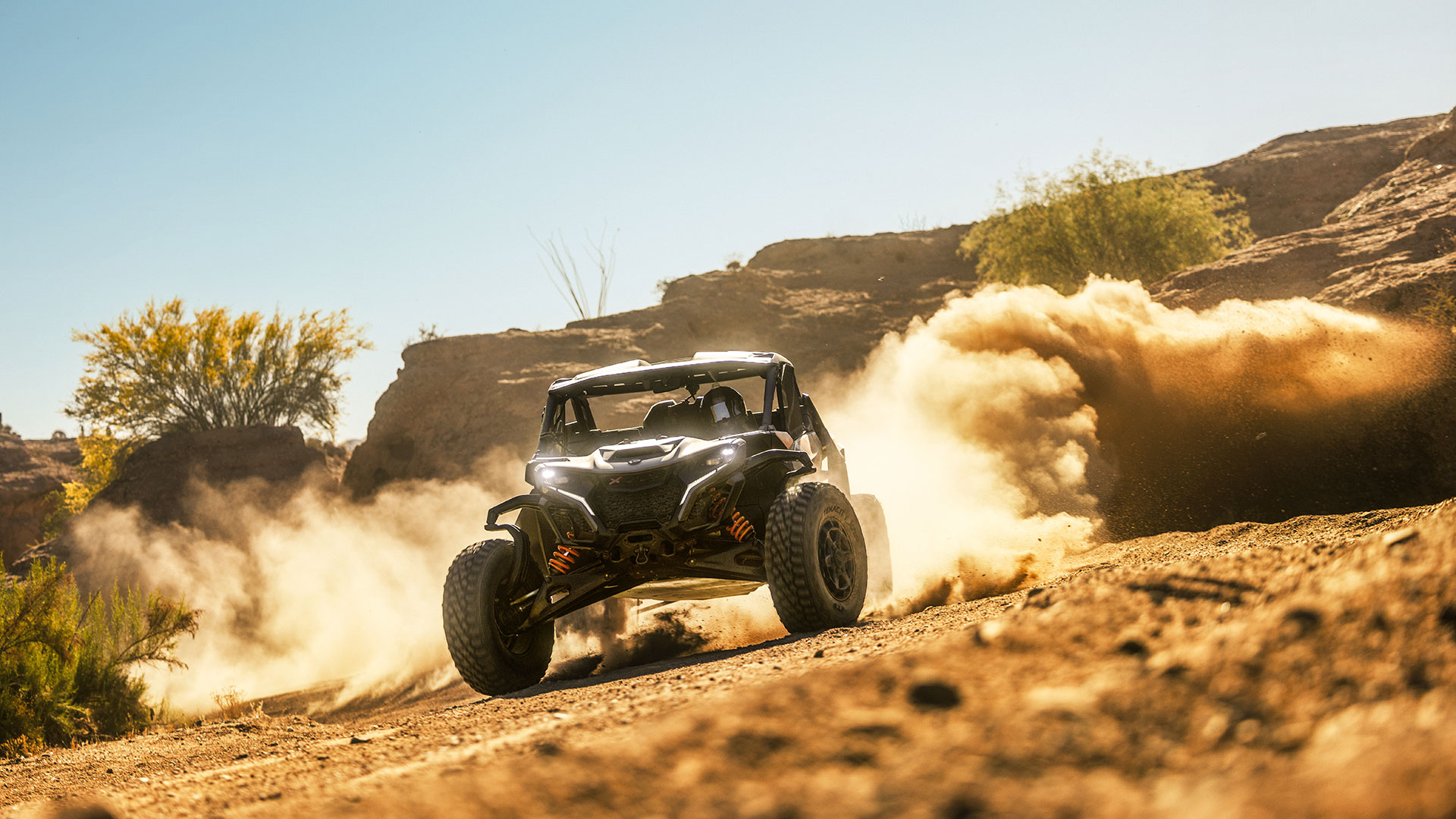
A 2026 Can-Am Maverick X3 X RS rolling in the desert sand

START YOUR SAND & DUNES JOURNEY