
Responsible rider
BRP PROGRAM
The responsible Rider program is about being aware when you ride and always considering safety, etiquette and the environment, whether you’re on the trails, in the mountains or on the dunes.
Our partners
KNOW MORE, RIDE SMARTER
Frequently asked questions
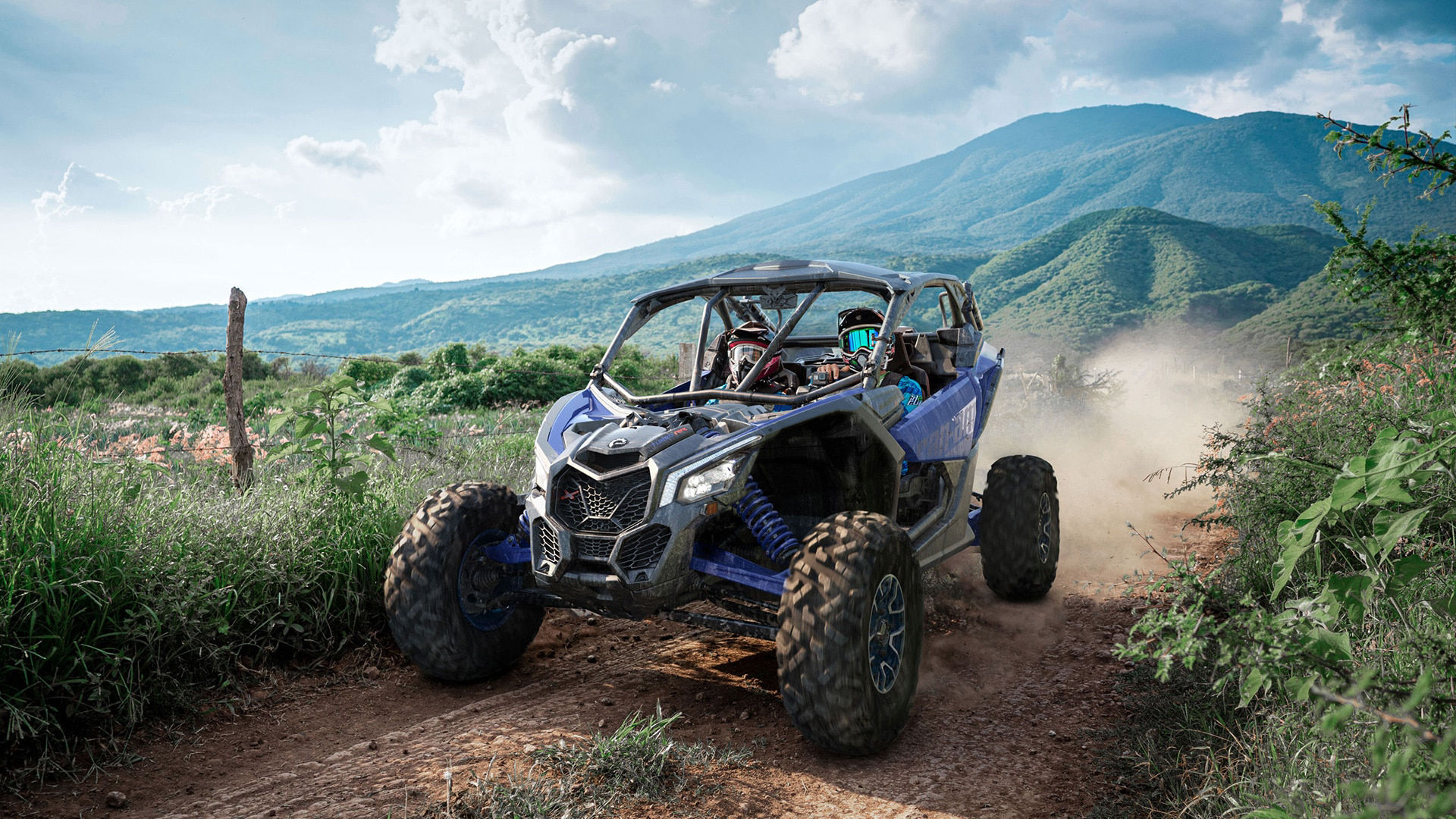
A recreational side-by-side is a kind of off-road vehicle dedicated to fun, adventure, and trail riding. Compared to work-focused UTVs, these recreational models prioritize performance, comfort, and are easier to handle on various—and untamed—terrains.
The foundation for every off-road ride.
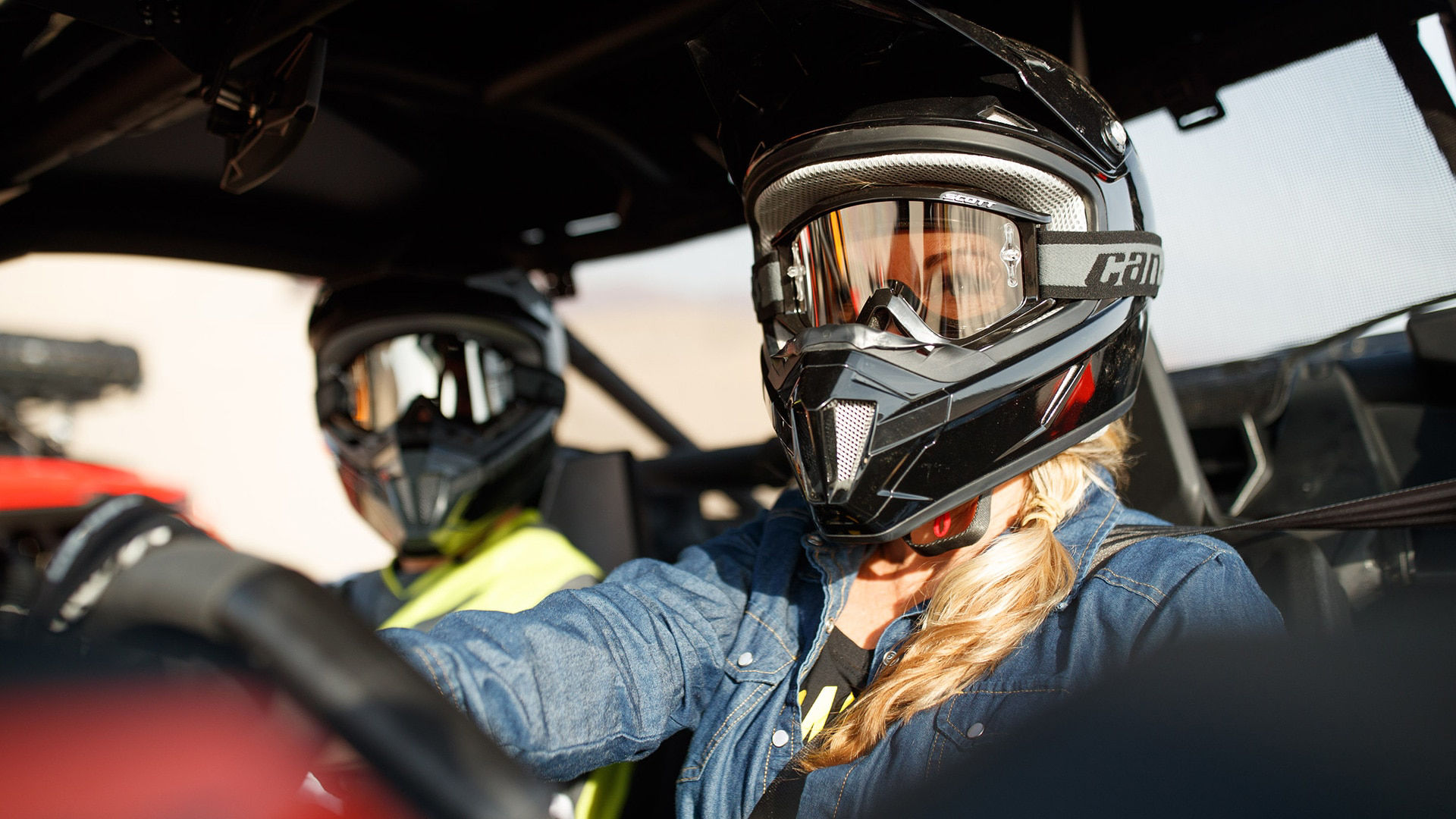
Your shopping list (M / W): closed-toe shoes, long pants, long-sleeved shirt or jacket, gloves, eye protection, and weather-appropriate gear. Helmets should be approved by your local authority and be free from visible cracks, deep gashes, & signs of abuse.
As you progress, keep investing in yourself. Experienced riders often have gloves, waders, riding boots, and other riding gear chosen for a reason: if you know one, ask ‘em why.
Last point: extra layers, including rain gear, are compact and easy to bring along…staying warm and dry means no interruptions if the weather changes.
An uncomfortable rider is a bad rider.
If you’re not comfortable, you can begin focusing on the wrong things, which can lead you into an unsafe position. Your dealer, rider safety course, or local riding club can assist you with getting as comfortable as possible.
How you feel in the vehicle and how you’re responding to the terrain goes a long way to enjoying the off-road experience. If you’re not comfortable, you can begin focusing on the wrong things, which can lead you into an unsafe position.
Once you’re comfortable? Get goin’—now you can focus on riding safe and having fun!
Alcohol, drugs, and off-roading don’t mix.
In your backyard, spectating at Oldsmobile Hill or bogging deep at a mud park makes no difference to us: leave alcohol and drugs out of the experience. Please remember: being impaired is the fastest way to the scene of your crash.
If you’re not drinking, what then? You’ll experience an undiluted off-road ride, be truly ready for anything, keep loved ones safe, and you’ll stay legal.
Don’t overload your vehicle.
Your vehicle is designed to carry a certain number of people. Refer to the warning labels located on the vehicle—don’t carry more than it’s designed for. Cargo areas, tailgate, and vehicle racks are never suitable for passengers, ever.
Two-seat ATV passengers must be capable of sitting upright, while firmly placing their feet on the footboards, with their hands on the rear handholds. Passengers should also be dressed correctly, and wearing a helmet.
Side-by-Side vehicles have seat belts—don’t carry more passengers than there are seatbelts, or modify the vehicle to carry additional passengers. All riders should be capable of sitting upright against the backrest, with seatbelt fastened, feet firmly planted and holding the grab bars.
Respect the rules for age.
Nobody—at any age—should use an off-road vehicle if they aren’t a responsible rider. ATV riders on machines with engines 250cc and above should be at least 16 years old. Side-by-Side operators should be 16 years or older, with a valid driver’s license.
